

Social media has revolutionized the way businesses connect with their audience, providing a platform for building brand awareness, fostering community engagement, and driving meaningful interactions.
In this lesson, we'll explore the significance of social media in today's digital landscape, discuss different social media platforms, and provide strategies for creating engaging content and growing your following.
What Social Media Marketing Is About
Social media marketing involves using social platforms like Facebook, Instagram, Twitter, and LinkedIn to promote your business. It’s about creating and sharing content—like posts, images, or videos—that engages your audience and builds relationships with them.
By interacting with followers and participating in conversations, you increase brand awareness, drive website traffic, and potentially boost sales.
It's a way to connect directly with customers where they spend a lot of their time online.
What Social Media Marketing Involves
How Social Media Marketing Works:
- Create Profiles: Set up business profiles on the social media platforms where your audience is most active.
- Post Content: Share valuable and engaging content regularly. This could be tips, updates, promotions, or behind-the-scenes looks at your business.
- Engage with Followers: Respond to comments, messages, and mentions to build relationships with your audience.
- Analyze Results: Use analytics tools to track the performance of your posts and understand what works best.
With a multitude of social media platforms available, it's essential to choose the ones that align with your business goals and target audience. Consider factors such as demographics, user behavior, and the nature of your products or services when selecting social media platforms.
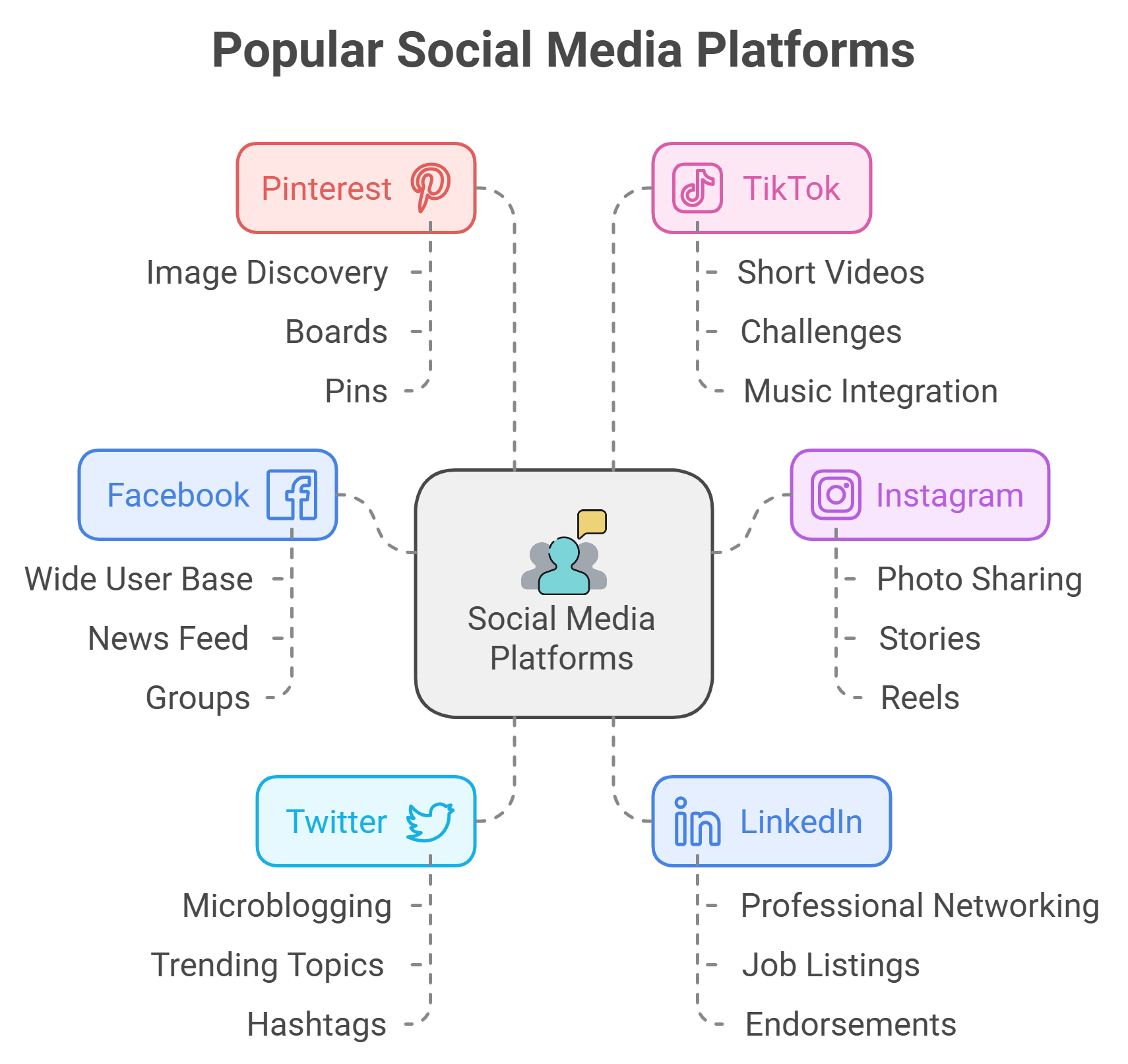
Popular platforms include Facebook, Instagram, Twitter, LinkedIn, Pinterest, and TikTok, each offering unique features and audiences.
Getting Your Social Media Pages Up and Running
Here are the steps to getting started with social media marketing:
Step 1.
Choose the Right Social Media Platforms
Select two or three platforms to focus on:
- YouTube
- TikTok
Research each platform to see which ones are the best fit for your business based on:
- Which ones does your audience frequent?
- Which ones are a good fit for the content you want to post?
Step 2.
Create Your Social Profiles (Pages)
Create professional and engaging profiles on each selected platform by taking the following steps:
- Upload a profile photo of yourself to help build rapport.
- Use your branding in your cover photo.
- Be sure all graphics are professional, eye-catching and recognizable to your audience.
- Use your name somewhere in the profile. This makes it easier to build relationships.
- Use consistent branding throughout the profile.
- Include relevant keywords in your “about” section (as well as in content you post).
- Insert a link and call to action in the about section of your profile.
- Provide complete information about your business. Tell the audience what you can do for them.
Step 3.
Develop Your Content Strategy and Calendar
Once you have your profiles ready, you can start creating and publishing your content. I encourage you to plan the type of content you will create, including:
- Posts
- Images
- Videos
- Stories
Consider a mix of educational, entertaining, and promotional content to engage your audience. This includes:
- Memes
- Infographics
- Comics
- Quotes
- Tips
- Tutorials
- Mistakes
- Do and don’ts
- Frequently asked questions
- And more.
Set a schedule for posting content on each platform, taking into consideration:
- How often you will post each week
- What exactly you will post and when you will post it
- How you will engage the audience
- How you will promote offers to the audience
- What sort of viral campaigns you will run

TIP: If you think you'll have challenges with coming up with ideas for content and/or finding time to create content for your social media pages, then leverage the power of AI by using an AI content marketing tool such as Blaze AI.
Step 4.
Interact With Your Audience
This includes the following:
- Monitor comments, messages, and mentions regularly.
- Respond promptly, provide helpful information, and foster meaningful conversations.
- Show appreciation for positive feedback and address concerns or complaints professionally.
- Share, like or otherwise showcase user content.
Strategies for Creating Engaging Social Media Content
To create engaging social media content that resonates with your audience, consider the following strategies:
- Know Your Audience: Understand your audience's preferences, interests, and pain points, and tailor your content to address their needs and aspirations.
- Mix Content Types: Experiment with different types of content, including images, videos, infographics, polls, and user-generated content, to keep your audience engaged and interested.
- Be Authentic: Share authentic and relatable content that showcases your brand's personality and values, fostering a genuine connection with your audience.
- Encourage Interaction: Encourage interaction and engagement by asking questions, running contests or giveaways, and responding promptly to comments and messages from your audience.
- Consistency is Key: Maintain a consistent posting schedule to keep your audience engaged and build momentum over time. Use scheduling tools like Buffer or Hootsuite to plan and automate your social media posts.
Growing Your Following and Increasing Engagement
To grow your following and increase engagement on social media, consider the following tactics:
- Cross-Promotion: Promote your social media profiles across your website, email newsletters, and other marketing channels to attract followers and increase visibility.
- Engage with Your Audience: Actively engage with your audience by responding to comments, messages, and mentions, and participating in relevant conversations within your industry.
- Use Hashtags: Utilize relevant hashtags to increase the discoverability of your content and reach a wider audience interested in your niche.
- Collaborate with Influencers: Partner with influencers or industry experts to reach new audiences, leverage their credibility, and drive engagement and visibility for your brand.
- Analyze and Adapt: Track key metrics such as reach, engagement, and follower growth to measure the effectiveness of your social media efforts. Use insights from analytics tools to refine your strategy and optimize your content for better results.
By implementing these strategies and leveraging the power of social media effectively, you can build brand awareness, foster community engagement, and drive meaningful interactions that contribute to the growth and success of your business.